
Weight Management
Common GLP-1 Side Effects: What Patients Should Know
Starting any new prescription medication naturally comes with questions, and one of the most common concerns is, “What side effects should I expect?”
GLP-1 medications are no exception. While many people tolerate these medications well, others experience side effects, particularly during the first several weeks of treatment or after a dose adjustment.
Understanding what side effects may occur—and why they happen—can help reduce unnecessary worry and prepare you for conversations with your healthcare provider. It’s also important to remember that every person’s experience is unique. Some individuals notice very few side effects, while others may experience symptoms that gradually improve as their body adjusts.
The goal of treatment is not simply to prescribe a medication. It’s to find an approach that is both medically appropriate and well tolerated over time.
Why Do Side Effects Occur?
GLP-1 medications work by influencing several natural processes involved in appetite regulation, digestion, and blood sugar management.
One of their effects is slowing the rate at which food leaves the stomach. While this contributes to feeling full longer, it can also affect the digestive system, especially during the early stages of treatment.
Many side effects are related to this adjustment period rather than to the medication causing harm. As your body adapts, these symptoms often become less noticeable.
Commonly Reported Side Effects
Although experiences vary, some of the most commonly reported side effects include:
- Nausea
- Vomiting
- Constipation
- Diarrhea
- Stomach discomfort
- Bloating
- Reduced appetite
- Feeling full sooner than expected
Some people notice only one of these symptoms, while others may experience several. The intensity also varies from person to person.
Why Nausea Is So Common
Nausea is often the side effect people hear about most.
For many patients, nausea is mild and temporary. It frequently occurs because the digestive system is adapting to the medication’s effects on stomach emptying and appetite regulation.
Eating smaller meals, eating more slowly, and avoiding large, high-fat meals may help reduce symptoms for some individuals. Your healthcare provider may also recommend additional strategies based on your specific situation.
If nausea becomes severe or persistent, it’s important to discuss it with your healthcare provider rather than trying to manage it on your own.
Changes in Appetite Are Expected
Many patients notice they simply aren’t as hungry as they were before beginning treatment.
Some describe feeling satisfied after eating much smaller portions, while others find that food cravings become less frequent.
These changes are part of how GLP-1 medications are designed to work. Even so, it’s still important to consume adequate nutrition, stay hydrated, and follow the dietary recommendations provided by your healthcare team.
Digestive Changes Can Vary
Some patients experience constipation, while others experience diarrhea. In some cases, individuals may notice alternating digestive symptoms during the adjustment period.
Maintaining good hydration, eating adequate dietary fiber when appropriate, and following your provider’s nutritional guidance may help support digestive health during treatment.
Because every patient’s medical history is different, recommendations should always be individualized.
Do Side Effects Last Forever?
One of the most reassuring things patients can know is that side effects often improve with time.
As the body becomes accustomed to treatment, symptoms such as nausea or stomach discomfort frequently lessen. For this reason, healthcare providers often begin treatment with a lower dose before increasing it gradually when appropriate.
This gradual approach gives your body more time to adapt and may improve overall tolerability.
However, not everyone responds the same way. Some individuals may require adjustments to their treatment plan if side effects remain difficult to manage.
Supporting Your Body During Treatment
Successful treatment involves more than simply taking medication.
Many healthcare providers encourage patients to:
- Eat slowly and stop when comfortably full.
- Stay well hydrated throughout the day.
- Choose balanced meals that include adequate protein and nutrients.
- Remain physically active as appropriate.
- Keep scheduled follow-up appointments to discuss progress and any concerns.
These habits not only support overall wellness but may also help improve the treatment experience.
When Should You Contact Your Healthcare Provider?
Although mild digestive symptoms are relatively common during the early stages of treatment, certain situations deserve prompt medical attention.
You should contact your healthcare provider if side effects become severe, continue to worsen, prevent you from eating or drinking adequately, or cause significant concern.
Rather than stopping your medication on your own, speak with your healthcare provider. They may recommend changes to your treatment plan, adjust your dosage, or discuss other options based on your individual circumstances.
Maintaining open communication helps ensure that treatment remains both safe and appropriate.
Every Patient’s Experience Is Different
One of the most important things to remember is that no two patients respond to treatment in exactly the same way.
Some people experience very few side effects. Others notice mild symptoms that improve over several weeks. A smaller number may require adjustments to their treatment plan.
Healthcare providers recognize these differences and use ongoing follow-up visits to monitor your progress, answer questions, and make recommendations based on your individual experience.
Weight management is a journey, and successful treatment often depends on finding the approach that works best for you—not simply following the same plan as someone else.
Weight Management Treatment Options
If you’re exploring GLP-1 medications, WellPeps offers several provider-guided treatment options designed around your individual health needs and goals.
Your provider will recommend the treatment that’s right for you after reviewing your health history.

Semaglutide Injection
- All-Inclusive Pricing
- Weekly injection
- Helps regulate appetite
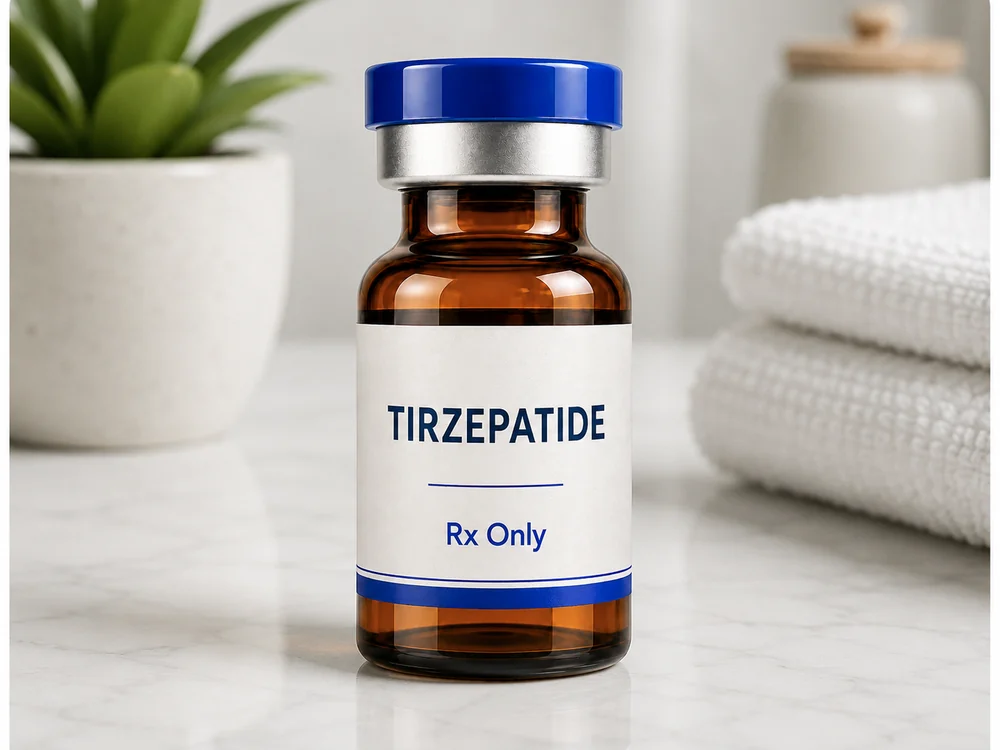
Tirzepatide Injection
- All-Inclusive Pricing
- Dual GIP/GLP-1 medication
- Weekly injection

Oral Semaglutide Tablets
- All-Inclusive Pricing
- Needle-free option
- Daily tablet
* Starting price reflects a 52-week plan. Actual pricing depends on your provider’s recommended plan.
Key Takeaways
- GLP-1 medications may cause side effects, particularly during the early stages of treatment.
- Nausea, constipation, diarrhea, stomach discomfort, bloating, and reduced appetite are among the most commonly reported side effects.
- Many side effects improve as the body adjusts to treatment.
- Healthcare providers often begin with a lower dose and increase it gradually when appropriate.
- Ongoing communication with your healthcare provider helps ensure your treatment remains safe, appropriate, and personalized.