
Weight Management
Answers to Common Questions About GLP-1 Medications
If you’re considering a GLP-1 medication for weight management, you probably have questions. That’s completely normal.
Many people begin their research online, talk with friends or family members, or hear about these medications in the news before ever speaking with a healthcare provider. While there is a tremendous amount of information available, not all of it provides the context needed to understand how these medications are used as part of personalized medical care.
This guide answers many of the questions people commonly ask before starting treatment. Although every person’s experience is different, understanding the basics can help you feel more informed and confident as you explore your options.
How Long Does It Take to Notice Changes?
One of the first questions many people ask is how quickly they should expect results.
There is no single timeline that applies to everyone.
Healthcare providers typically view weight management as a gradual process rather than a short-term event. Individual progress depends on many factors, including your overall health, medical history, nutrition, physical activity, consistency with treatment, and how your body responds over time.
Rather than comparing yourself to someone else’s experience, it’s more helpful to focus on your own progress and maintain regular communication with your healthcare provider.
Will I Feel Less Hungry?
Many patients report changes in their appetite after beginning treatment.
Some describe feeling satisfied sooner during meals. Others notice they spend less time thinking about food or experience fewer cravings throughout the day.
These changes are part of how GLP-1 medications are designed to work. Even so, experiences vary from person to person, and healthy nutrition remains an important part of successful weight management.
Do I Still Need to Eat Healthy?
Yes.
Medication is intended to support healthy lifestyle habits—not replace them.
A balanced eating pattern provides the nutrients your body needs while supporting your overall health. Your healthcare provider may recommend nutritional strategies that fit your individual goals and medical history.
Developing healthy eating habits can also make long-term success more sustainable.
Is Exercise Still Important?
Absolutely.
Regular physical activity supports cardiovascular health, muscle strength, mobility, energy levels, mental well-being, and overall health.
Exercise also complements a comprehensive weight management plan by encouraging healthy habits that continue long after treatment decisions have been made.
The goal isn’t to find the “perfect” exercise program. It’s to discover activities you enjoy and can maintain consistently.
What If I Miss a Dose?
Every medication has its own instructions regarding missed doses.
For that reason, it’s important to follow the guidance provided with your prescription and contact your healthcare provider if you have questions.
Rather than doubling your next dose or making changes on your own, seek medical guidance so your provider can recommend the safest approach.
How Long Will Treatment Last?
Treatment plans are highly individualized.
Some patients remain on treatment longer than others, while healthcare providers may recommend adjustments over time based on your progress, overall health, and treatment goals.
Weight management is best viewed as an ongoing partnership rather than a short-term program.
Regular follow-up visits allow your provider to evaluate how you’re doing and determine whether changes to your treatment plan may be appropriate.
What Happens During Follow-Up Appointments?
Follow-up care is an important part of provider-guided weight management.
During these appointments, healthcare providers may review:
- Your overall progress
- Any side effects or concerns
- Changes in your health
- Lifestyle habits
- Medication tolerance
- Whether adjustments to your treatment plan may be appropriate
These conversations help ensure your care continues to reflect your individual needs.
Can Lifestyle Changes Really Make a Difference?
Yes.
Although medication may be an important part of treatment for some individuals, long-term health is built on everyday habits.
Balanced nutrition, regular movement, quality sleep, stress management, and consistency all contribute to overall wellness.
Rather than viewing medication and healthy habits as separate approaches, healthcare providers often see them as complementary parts of a comprehensive treatment plan.
Why Personalized Care Matters
It’s easy to compare your experience with stories shared online.
However, every person’s health history, metabolism, medical conditions, medications, and goals are different.
That’s why treatment recommendations should always be individualized.
A medication that is appropriate for one person may not be appropriate for another, and two people taking the same medication may have very different experiences.
Personalized medical care helps ensure treatment decisions are based on your health—not someone else’s story.
Making Informed Decisions
The more you understand your treatment options, the better prepared you’ll be to participate in your own healthcare decisions.
Asking questions, learning about your options, maintaining healthy habits, and attending follow-up appointments all contribute to successful long-term care.
Weight management isn’t about finding a shortcut.
It’s about finding an approach that supports your health, fits your lifestyle, and can be maintained over time.
Weight Management Treatment Options
If you’re exploring GLP-1 medications, WellPeps offers several provider-guided treatment options designed around your individual health needs and goals.
Your provider will recommend the treatment that’s right for you after reviewing your health history.

Semaglutide Injection
- All-Inclusive Pricing
- Weekly injection
- Helps regulate appetite
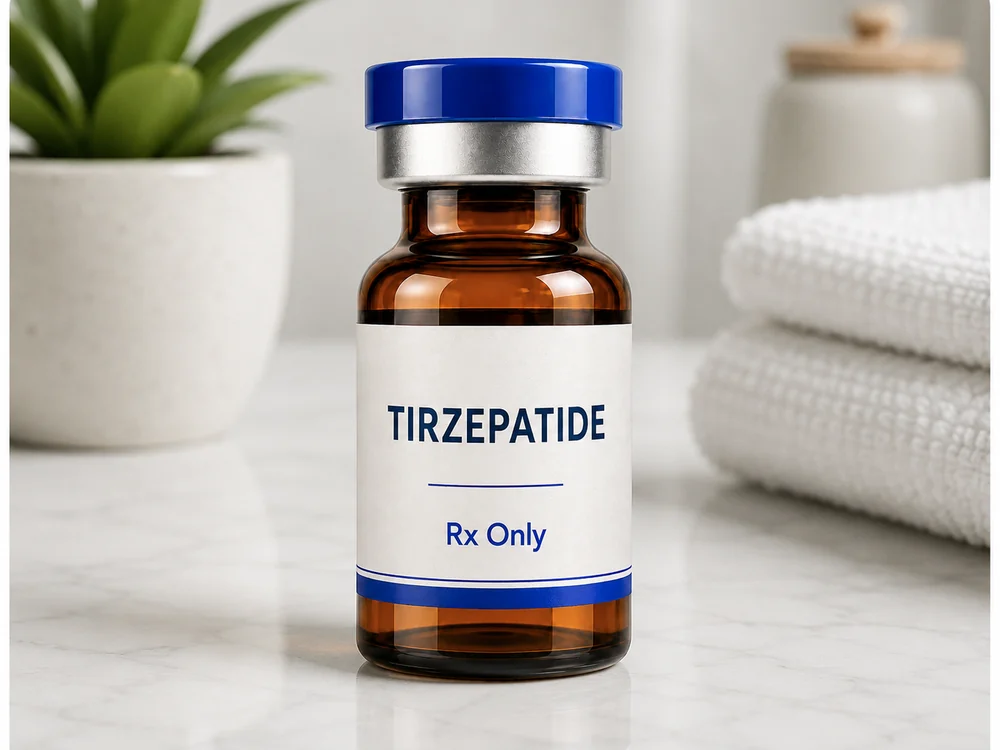
Tirzepatide Injection
- All-Inclusive Pricing
- Dual GIP/GLP-1 medication
- Weekly injection
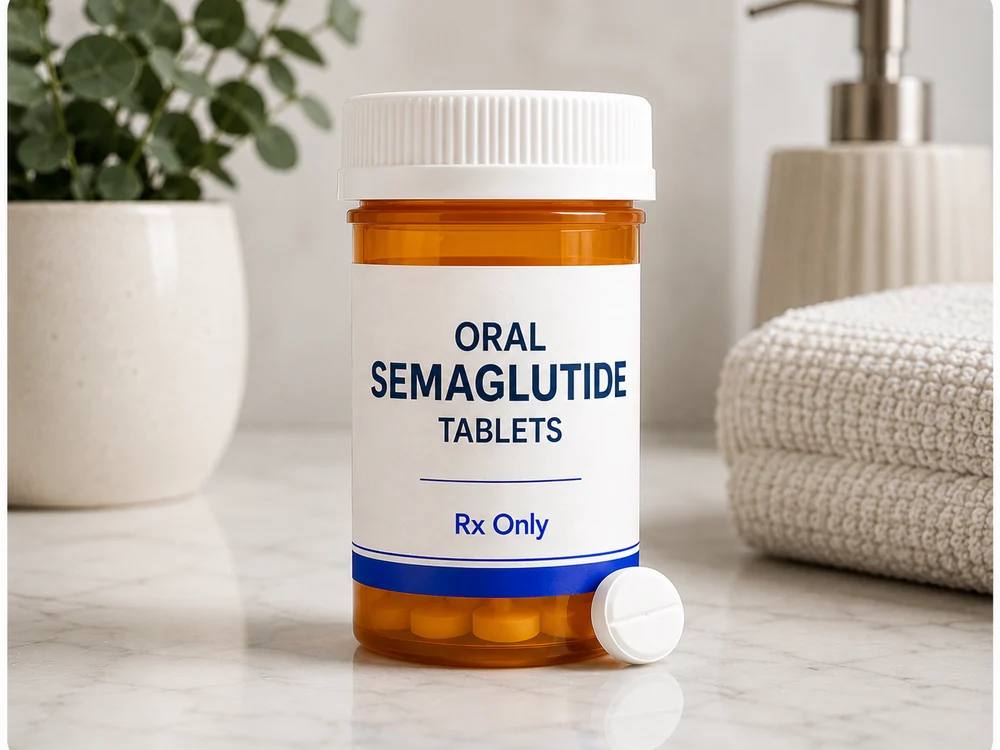
Oral Semaglutide Tablets
- All-Inclusive Pricing
- Needle-free option
- Daily tablet
* Starting price reflects a 52-week plan. Actual pricing depends on your provider’s recommended plan.
Key Takeaways
- Every person’s experience with GLP-1 medications is different.
- Healthy nutrition and regular physical activity remain important parts of weight management.
- Ongoing follow-up helps ensure treatment continues to reflect your health needs and goals.
- Lifestyle habits and medication often work together as part of a comprehensive treatment plan.
- Personalized medical guidance remains the foundation of safe and effective care.