
Sexual Wellness
Understanding Erectile Dysfunction: Causes, Symptoms, and Treatment Options
Erectile dysfunction (ED) is one of the most common sexual health concerns affecting men. Although it becomes more common with age, ED is not simply a normal part of getting older, and it can affect men of all ages.
For many men, erectile dysfunction is difficult to talk about. Some worry it reflects a lack of masculinity, while others feel embarrassed or assume nothing can be done. In reality, ED is a medical condition that is often treatable, and seeking professional guidance is an important first step.
Understanding the possible causes of erectile dysfunction can help you better understand your treatment options and why personalized medical care is so important.
What Is Erectile Dysfunction?
Erectile dysfunction is the ongoing difficulty achieving or maintaining an erection that is firm enough for satisfactory sexual activity.
Experiencing occasional difficulty is common and does not necessarily indicate a medical condition.
However, when erectile difficulties become frequent, persistent, or begin affecting your confidence or relationships, it may be appropriate to seek a medical evaluation.
How Erections Work
An erection involves several body systems working together.
Sexual stimulation triggers signals between the brain, nerves, hormones, blood vessels, and muscles. Increased blood flow into the penis allows an erection to develop and be maintained.
Because so many body systems are involved, a problem affecting any one of them may contribute to erectile dysfunction.
This is one reason ED sometimes serves as an early indicator of other underlying health concerns.
Common Causes of Erectile Dysfunction
Erectile dysfunction rarely has a single cause.
Instead, it often develops from a combination of physical and psychological factors.
Some common contributors include:
Reduced Blood Flow
Healthy blood circulation is essential for normal erectile function. Conditions that affect blood vessels may contribute to erectile dysfunction.
Medical Conditions
Diabetes, high blood pressure, cardiovascular disease, obesity, and certain neurological conditions may affect erectile function.
Hormonal Changes
Hormone levels naturally change over time, and in some individuals these changes may influence sexual health.
Medications
Certain prescription medications may contribute to erectile difficulties as a potential side effect.
Stress and Emotional Health
Stress, anxiety, depression, relationship concerns, and other emotional factors may also affect sexual performance.
Often, both physical and emotional factors are involved at the same time.
Age Is Only One Factor
Although erectile dysfunction becomes more common with age, age itself is not necessarily the cause.
Many older men maintain healthy sexual function, while some younger men experience ED related to medical conditions, lifestyle factors, or emotional health.
Rather than assuming erectile dysfunction is simply “part of getting older,” it’s important to understand that many contributing factors can be evaluated.
Lifestyle Can Influence Sexual Health
Everyday habits play an important role in overall health, including sexual wellness.
Regular physical activity, balanced nutrition, quality sleep, stress management, maintaining a healthy weight, and avoiding tobacco use all support cardiovascular health, which is closely connected to erectile function.
While healthy habits may not resolve every case of ED, they remain an important part of supporting long-term sexual health.
Why a Medical Evaluation Is Important
Because erectile dysfunction may have many possible causes, identifying the underlying reason is one of the most important steps before beginning treatment.
Healthcare providers may evaluate:
- Your medical history
- Current medications
- Existing medical conditions
- Lifestyle habits
- Sexual health history
- Personal health goals
- Potential risks and benefits of treatment
This comprehensive evaluation helps ensure treatment recommendations are appropriate for your individual situation.
Treatment Depends on the Individual
There is no single treatment that is appropriate for everyone.
Depending on your health history and the underlying cause of your symptoms, healthcare providers may recommend prescription medication, lifestyle modifications, additional medical evaluation, or a combination of approaches.
The goal is to develop a personalized treatment plan that addresses your individual needs rather than simply treating the symptom.
Taking the First Step
Many men delay seeking treatment because they hope the problem will resolve on its own or because they feel uncomfortable discussing it.
Fortunately, modern telehealth makes it possible to speak with a licensed healthcare provider privately and conveniently from home.
Having an open conversation about erectile dysfunction is an important step toward understanding your health and learning whether treatment may be appropriate.
Sexual Wellness Treatment Options
WellPeps offers provider-guided solutions to support your performance, confidence, and overall well-being. Your provider will recommend the treatment that’s right for you after reviewing your health history.
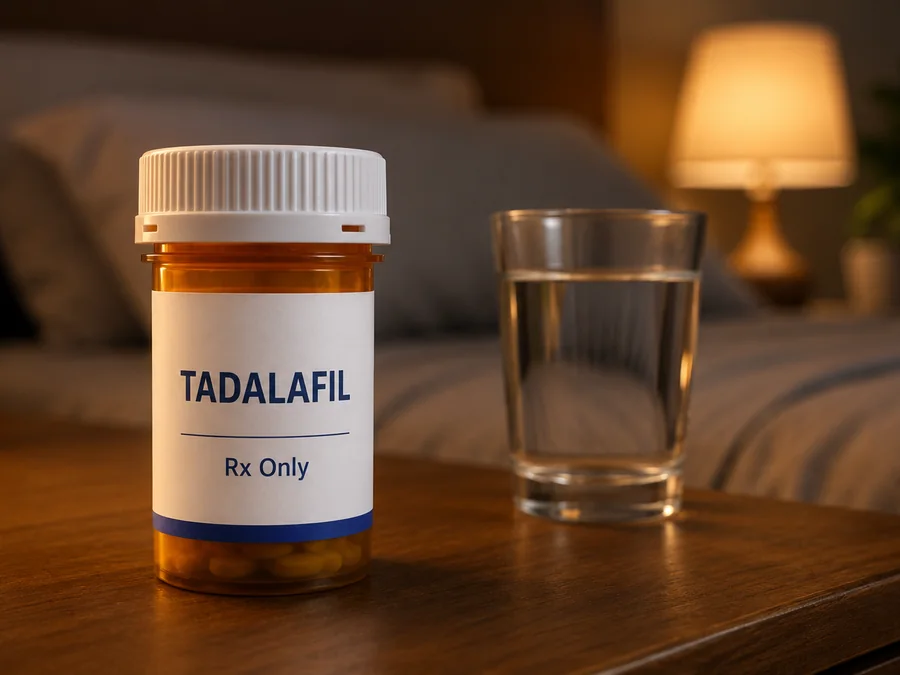
Tadalafil Daily
Daily Boost
Low-dose daily support to help you feel ready, confident, and in control every day.
Oral Tablet
- Supports daily confidence
- Designed for ongoing spontaneity
- Easy daily routine
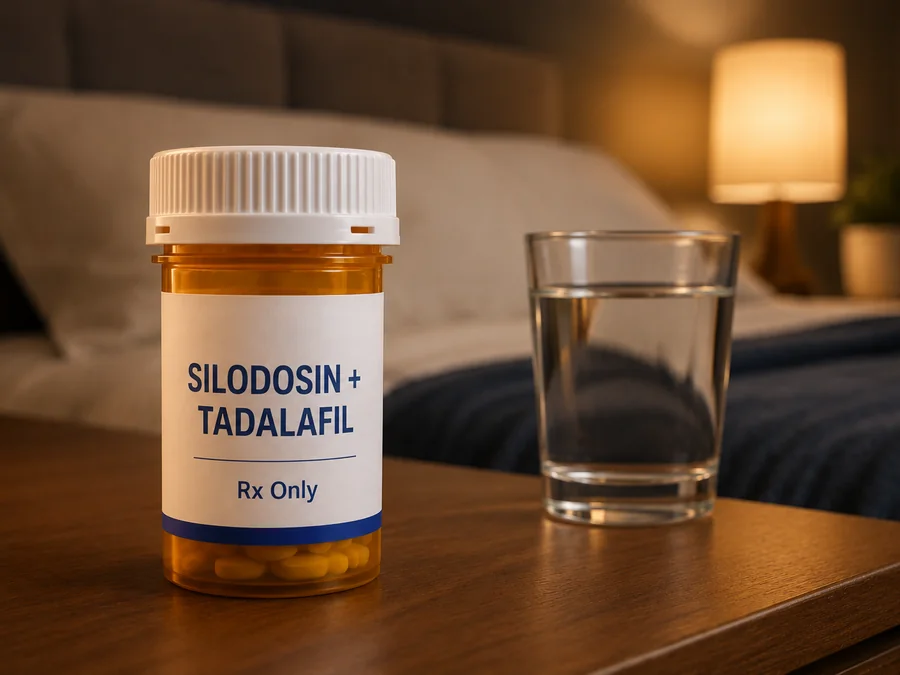
Silodosin + Tadalafil
Go Long
Designed to help support longer-lasting performance and confidence when it matters most.
Oral Tablet
- Supports longer-lasting results
- Works when you need it
- Provider-guided treatment
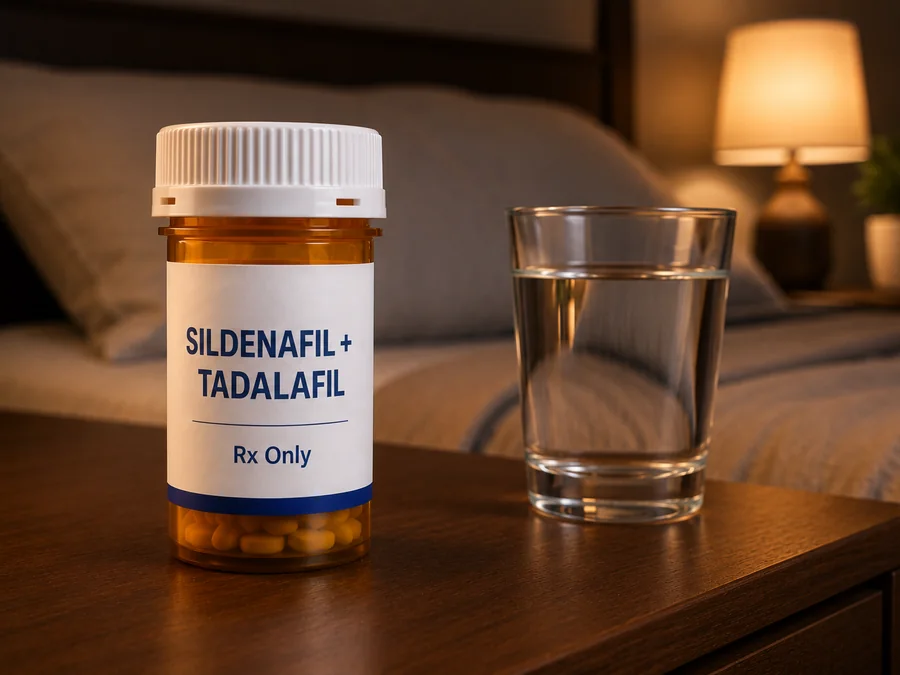
Sildenafil + Tadalafil
Double Powered
A powerful combination designed to enhance performance and increase confidence.
Oral Tablet
- Dual-action formula
- Enhanced effectiveness
- Clinically guided
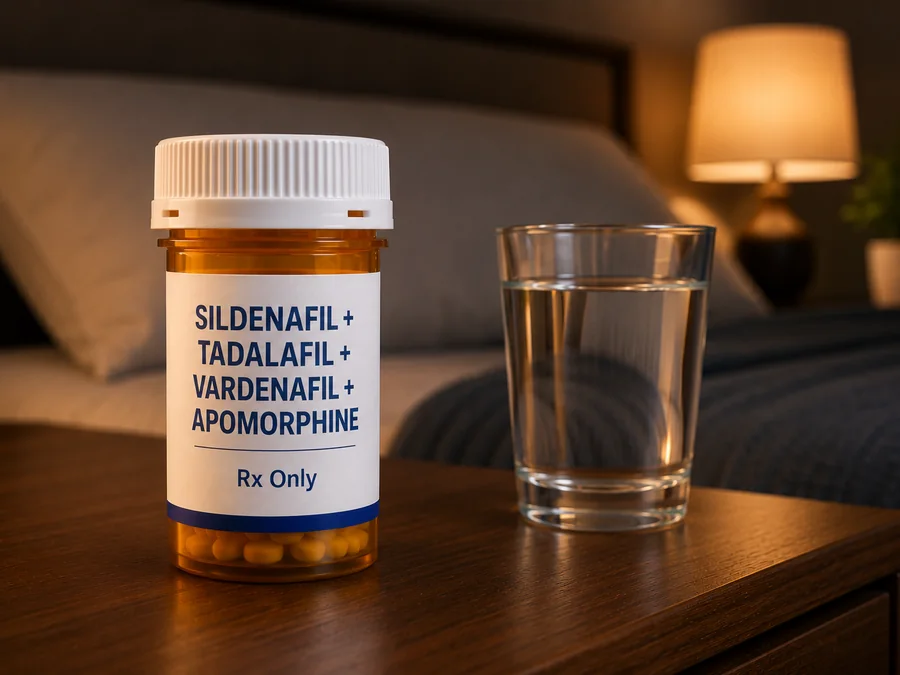
Advanced Combination
Quadruple Powered
Advanced single-dose combinations for those who need maximum support.
Oral Tablet
- Maximum support
- Advanced formulation
- Provider-supervised
Key Takeaways
- Erectile dysfunction is common and often has multiple contributing factors.
- ED may be related to circulation, medical conditions, medications, hormonal changes, stress, or emotional health.
- Occasional erectile difficulty is common, but persistent symptoms deserve medical evaluation.
- Healthcare providers may evaluate many aspects of your health before recommending treatment.
- Personalized care helps ensure treatment recommendations reflect your individual medical history, symptoms, and goals.