
Weight Management
Semaglutide vs. Tirzepatide: Understanding the Differences
If you’re exploring prescription medications for weight management, two names you’ll encounter frequently are semaglutide and tirzepatide. Both medications have become widely recognized treatment options for chronic weight management in appropriate candidates, yet many people are unsure how they compare.
It’s natural to wonder whether one medication is “better” than the other. The reality is more nuanced. While these medications share several similarities, they also have meaningful differences in how they work, how they’re prescribed, and how healthcare providers determine which option may be appropriate for an individual patient.
Understanding these differences can help you have a more informed conversation with your healthcare provider and better understand why treatment recommendations are personalized rather than one-size-fits-all.
What Do Semaglutide and Tirzepatide Have in Common?
Both medications are prescription therapies used under the supervision of a licensed healthcare provider. They are intended to be part of a comprehensive weight management plan that also includes healthy nutrition, physical activity, and ongoing medical follow-up.
Both medications work by influencing hormones involved in appetite regulation and feelings of fullness. As a result, many patients report eating smaller portions, feeling satisfied sooner during meals, and experiencing fewer food cravings.
Treatment typically begins with a lower dose that may gradually increase over time, allowing the body to adjust while helping reduce the likelihood of side effects.
How Are They Different?
Although they share many similarities, semaglutide and tirzepatide are different medications.
Semaglutide
Semaglutide works by activating the GLP-1 receptor, which plays an important role in regulating appetite, digestion, and blood sugar.
By mimicking the body’s naturally occurring GLP-1 hormone, semaglutide helps regulate hunger and supports feelings of fullness after eating.
Tirzepatide
Tirzepatide works somewhat differently.
In addition to activating the GLP-1 receptor, it also activates a second hormone receptor known as GIP (glucose-dependent insulinotropic polypeptide).
Because it targets two hormone pathways rather than one, tirzepatide is often described as a dual-action medication. Researchers continue to study how these combined mechanisms influence metabolism, appetite regulation, and weight management.
Does One Medication Work Better Than the Other?
This is one of the most common questions patients ask.
The answer depends on the individual.
Every person has a unique medical history, health profile, treatment goals, and response to medication. What may be an appropriate choice for one patient may not be the best option for another.
Rather than focusing on finding a universally “better” medication, healthcare providers focus on recommending the treatment that best fits each person’s overall clinical picture.
How Healthcare Providers May Choose Between Them
Selecting a medication involves much more than comparing two names.
Healthcare providers may consider factors such as:
- Your current health and medical history
- Previous weight management efforts
- Existing medical conditions
- Current medications
- Potential medication interactions
- Treatment goals
- Individual response to therapy
- Potential side effects
- Cost or insurance considerations, when applicable
The goal is to recommend the treatment that offers the most appropriate balance of safety, effectiveness, and practicality for each patient.
What About Side Effects?
Because both medications affect similar hormone pathways, many of their commonly reported side effects are similar.
These may include:
- Nausea
- Vomiting
- Constipation
- Diarrhea
- Stomach discomfort
- Decreased appetite
Not everyone experiences side effects, and many people find they become less noticeable as treatment continues.
Healthcare providers monitor treatment closely and may adjust dosing or recommendations if side effects become difficult to tolerate.
Why Ongoing Medical Supervision Matters
Weight management is rarely a “set it and forget it” process.
Regular follow-up appointments allow healthcare providers to evaluate your progress, discuss how you’re feeling, monitor for side effects, and determine whether adjustments to your treatment plan may be appropriate.
This ongoing relationship helps ensure your care continues to align with your health needs and long-term goals.
There Is No One-Size-Fits-All Answer
While comparisons between semaglutide and tirzepatide are common, the decision isn’t simply about choosing one medication over another.
Successful weight management involves understanding your overall health, identifying realistic goals, adopting sustainable lifestyle habits, and selecting treatments that fit your unique circumstances.
A personalized approach gives healthcare providers the flexibility to recommend care that reflects the whole person—not just a number on a scale.
Weight Management Treatment Options
If you’re exploring GLP-1 medications, WellPeps offers several provider-guided treatment options designed around your individual health needs and goals.
Your provider will recommend the treatment that’s right for you after reviewing your health history.

Semaglutide Injection
- All-Inclusive Pricing
- Weekly injection
- Helps regulate appetite
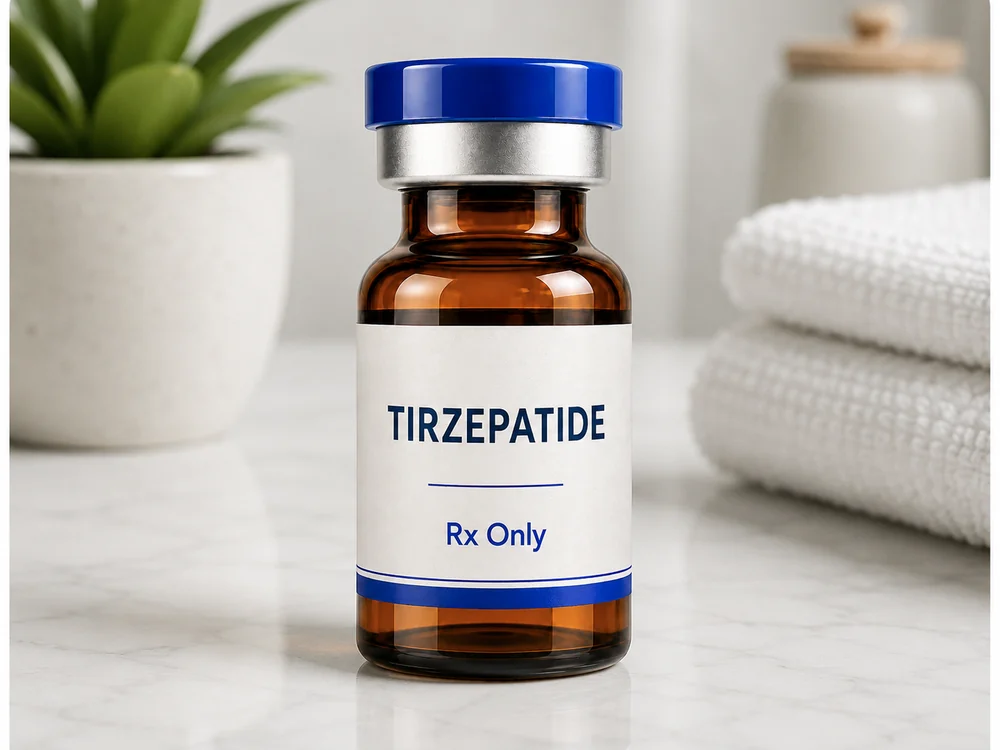
Tirzepatide Injection
- All-Inclusive Pricing
- Dual GIP/GLP-1 medication
- Weekly injection

Oral Semaglutide Tablets
- All-Inclusive Pricing
- Needle-free option
- Daily tablet
* Starting price reflects a 52-week plan. Actual pricing depends on your provider’s recommended plan.
Key Takeaways
- Semaglutide and tirzepatide are different prescription medications used in provider-guided weight management.
- Semaglutide acts on the GLP-1 receptor, while tirzepatide acts on both GLP-1 and GIP receptors.
- Both medications influence appetite regulation and feelings of fullness.
- Healthcare providers may consider many factors before recommending one treatment over another.
- The most appropriate treatment depends on your individual medical history, health status, and treatment goals.