
Hair Restoration
Why Hair Growth Takes Time: Setting Realistic Expectations
One of the first questions many people ask after beginning a hair restoration program is, “When will I start seeing results?”
It’s an understandable question. Whether you’ve started treatment because of a receding hairline, thinning hair, or increased shedding, you’re naturally hoping to see improvement as soon as possible.
The reality is that hair restoration is a gradual process. Unlike a cut or scrape that may heal within days or weeks, hair grows according to a natural biological cycle that cannot be rushed. Even when treatment is appropriate and working as intended, visible changes often take several months to become noticeable.
Understanding this timeline can help reduce frustration, set realistic expectations, and encourage consistency throughout your treatment journey.
Hair Doesn’t Grow Continuously
Many people assume hair grows at a steady pace all the time.
In reality, every hair follicle moves through a repeating growth cycle made up of several stages.
The first stage is the growth phase, when the hair actively grows. This phase may last several years.
Next comes a brief transition phase, when active growth slows.
Finally, the hair enters the resting and shedding phase, during which the existing hair falls out and a new growth cycle eventually begins.
Because each hair follicle operates independently, different hairs are always in different stages of the cycle. This is why it’s normal to shed hair every day without noticing significant thinning.
Why New Hair Takes Time to Appear
Hair follicles respond gradually to treatment.
Even if a treatment begins supporting healthier follicle function, the follicle still has to progress through its natural growth cycle before visible changes occur.
This means there is often a delay between starting treatment and noticing thicker, healthier-looking hair.
For many patients, the earliest changes are subtle. Hair may feel slightly fuller, shedding may become less noticeable, or existing hairs may appear healthier before significant new growth becomes visible.
Consistency Is One of the Most Important Factors
Hair restoration treatments are designed to work over time.
Missing treatments, stopping medication early, or frequently changing products may interrupt progress and make it more difficult to evaluate whether your treatment plan is effective.
Consistency allows healthcare providers to better assess how your hair is responding and whether adjustments may be appropriate.
Rather than looking for rapid changes, focus on following your treatment plan as recommended and attending scheduled follow-up appointments.
Why Some People Notice Changes Sooner Than Others
No two people experience hair restoration in exactly the same way.
Several factors may influence how quickly changes become noticeable, including:
- The underlying cause of hair loss
- How long hair thinning has been present
- Your age
- Your overall health
- Genetics
- Consistency with treatment
- Individual response to therapy
Because these factors vary, it’s important not to compare your progress with someone else’s experience.
Healthcare providers evaluate your progress based on your individual situation—not online success stories or social media posts.
Temporary Shedding Can Be Confusing
Some people notice increased shedding during the early stages of treatment and immediately worry that the medication isn’t working.
In certain situations, temporary shedding may occur as older hairs complete their normal growth cycle before newer hairs begin growing.
This doesn’t necessarily mean treatment has failed.
If you notice unexpected changes or have concerns during treatment, discuss them with your healthcare provider rather than making changes on your own.
Tracking Progress the Right Way
Because hair changes occur gradually, they can be difficult to recognize from day to day.
Many healthcare providers recommend documenting your progress with photographs taken under similar lighting and from the same angles every few months.
Looking at photographs over time often provides a more accurate picture than relying on memory alone.
It’s also helpful to pay attention to changes such as:
- Reduced daily shedding
- Improved hair texture
- Increased volume
- Better scalp coverage
- Easier styling
Progress isn’t always measured by dramatic regrowth. Smaller improvements can also be meaningful.
Hair Restoration Is a Long-Term Commitment
Successful hair restoration is often similar to caring for your overall health.
It requires patience, consistency, and realistic expectations.
Rather than searching for an immediate solution, many people achieve better long-term outcomes by focusing on gradual improvement over time.
Healthcare providers work with patients to develop individualized treatment plans that support both hair health and overall wellness.
The goal is not simply faster hair growth.
The goal is healthier hair supported by evidence-informed, personalized care.
Staying Focused on Long-Term Success
It can be tempting to judge your progress after only a few weeks.
However, meaningful hair restoration typically requires time.
By remaining consistent with treatment, maintaining healthy lifestyle habits, attending follow-up appointments, and communicating openly with your healthcare provider, you’ll give yourself the best opportunity to evaluate your progress accurately.
Patience is not simply part of the process—it is one of the most important ingredients in successful hair restoration.
Hair Restoration Treatment Options
WellPeps offers clinically backed solutions designed to support hair regrowth and a healthier scalp. Your provider will recommend the approach that’s right for you after reviewing your health history.

Topical Treatments
Supports healthier, fuller-looking hair with medications applied directly to the scalp.
- Minoxidil + Finasteride
- Minoxidil + Fluocinolone + Tretinoin
- Topical solution or foam

Oral Treatments
Supports healthier hair growth through convenient oral medications.
- Oral Minoxidil
- Minoxidil + Biotin
- Dutasteride

Combination Therapy
Combines topical and oral medications for a comprehensive approach.
- Topical Minoxidil + Finasteride + Oral Minoxidil
- Minoxidil + Finasteride + Biotin
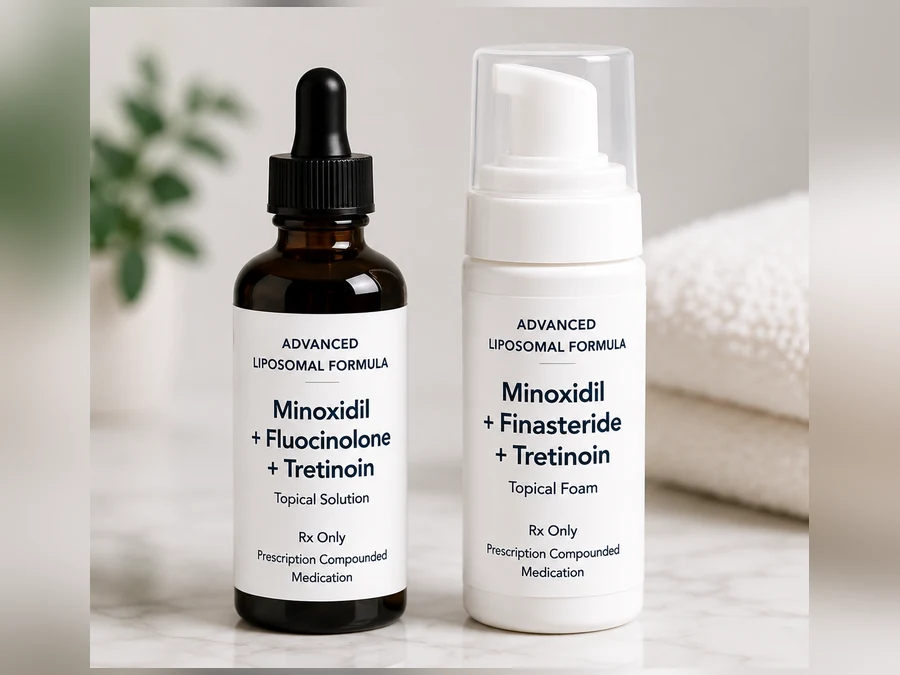
Advanced Liposomal Formulas
Next-generation delivery systems designed for enhanced absorption and results.
- Minoxidil + Fluocinolone + Tretinoin
- Minoxidil + Finasteride + Fluocinolone + Tretinoin
Key Takeaways
- Hair grows according to a natural cycle that cannot be accelerated overnight.
- Visible improvements often require several months.
- Consistency with treatment is an important part of successful hair restoration.
- Progress varies from person to person based on many individual factors.
- Healthcare providers monitor long-term progress and may adjust treatment plans when appropriate.