
Hair Restoration
Female Hair Thinning: Causes, Symptoms, and Treatment Options
Hair thinning affects millions of women and can occur at virtually any stage of life. Whether it develops gradually over several years or becomes noticeable over a shorter period of time, many women describe hair loss as one of the most emotionally difficult physical changes they experience.
Unlike men, who often develop a receding hairline or bald spot, women are more likely to notice that their hair simply doesn’t feel as full as it once did. They may see a widening part, reduced volume when styling their hair, or increased shedding while brushing or washing it.
Although hair thinning is common, it should never be dismissed as “just getting older.” Understanding the possible causes is the first step toward determining whether treatment may be appropriate.
Hair Thinning in Women Is Often Different
The pattern of hair loss seen in women usually differs from what is commonly seen in men.
Rather than losing hair in one specific area, many women experience gradual thinning across the top of the scalp while maintaining their frontal hairline.
Others notice that their ponytail becomes smaller over time or that their scalp is becoming more visible under bright light.
Because these changes often occur gradually, they may not be immediately obvious until photographs or comparisons reveal the difference.
Common Causes of Female Hair Thinning
Hair thinning in women may occur for many different reasons.
In many cases, more than one factor is involved.
Some of the most common causes include:
Hereditary Hair Loss
Female pattern hair loss is one of the leading causes of gradual thinning and often becomes more noticeable with age.
Hormonal Changes
Pregnancy, childbirth, menopause, thyroid disorders, and other hormonal changes may influence the normal hair growth cycle.
Nutritional Factors
Inadequate intake of certain nutrients or nutritional deficiencies may contribute to hair thinning in some individuals.
Medical Conditions
Autoimmune disorders, scalp conditions, chronic illnesses, and other medical conditions may affect hair growth.
Medications
Some prescription medications list hair thinning among their possible side effects.
Physical or Emotional Stress
Major surgery, significant illness, rapid weight loss, or prolonged emotional stress may temporarily increase hair shedding.
Because these triggers can overlap, a personalized medical evaluation is often important.
Is It Normal to Lose Hair Every Day?
Yes.
Hair naturally cycles through periods of growth, rest, and shedding.
Most people lose dozens of hairs each day as part of this normal process.
Hair thinning becomes more noticeable when new hair grows more slowly than expected, when follicles begin producing finer hairs, or when shedding exceeds normal replacement.
Understanding this distinction helps explain why seeing hair in a brush or shower drain doesn’t necessarily indicate a medical problem.
Why Early Evaluation Matters
Many women wait months—or even years—before seeking medical advice because they assume nothing can be done.
However, earlier evaluation may provide more opportunities to identify contributing factors and discuss appropriate treatment options.
Healthcare providers may evaluate many aspects of your health, including your medical history, current medications, family history, recent illnesses, hormonal changes, lifestyle factors, and the pattern of your hair loss.
This comprehensive approach helps guide personalized recommendations rather than relying on assumptions.
Treatment Depends on the Cause
Hair thinning is not a single condition, so there is no universal treatment.
Depending on the underlying cause, healthcare providers may recommend prescription medications, additional medical evaluation, lifestyle recommendations, or other evidence-informed approaches.
The goal is not simply to encourage new hair growth whenever possible, but also to identify and address any underlying factors contributing to the thinning.
Because every person’s situation is different, treatment plans should always be individualized.
Healthy Hair Begins with Overall Health
Hair health often reflects overall health.
Balanced nutrition, adequate sleep, stress management, regular medical care, and addressing underlying medical conditions all contribute to supporting normal hair growth.
Although healthy habits alone may not resolve every cause of hair thinning, they remain an important part of comprehensive hair restoration care.
Looking at the whole person—not just the hair—is one of the hallmarks of personalized medicine.
Patience Is Part of the Process
Hair grows gradually.
Whether treatment involves medication, lifestyle recommendations, or addressing an underlying medical condition, meaningful changes often take several months.
This is completely normal.
Healthcare providers typically encourage patients to remain consistent with their treatment plan and attend follow-up appointments so progress can be monitored over time.
Understanding the natural pace of hair growth helps set realistic expectations and reduces unnecessary frustration.
Looking Forward with Confidence
Experiencing hair thinning can feel overwhelming, but it is also one of the most common reasons people seek hair restoration care.
The good news is that today’s healthcare providers have a better understanding of the many factors that influence hair growth than ever before.
By identifying the underlying cause and developing a personalized treatment plan, providers can help patients make informed decisions based on their unique health history, symptoms, and goals.
The first step is simply understanding what may be contributing to the changes you’re seeing.
Hair Restoration Treatment Options
WellPeps offers clinically backed solutions designed to support hair regrowth and a healthier scalp. Your provider will recommend the approach that’s right for you after reviewing your health history.

Topical Treatments
Supports healthier, fuller-looking hair with medications applied directly to the scalp.
- Minoxidil + Finasteride
- Minoxidil + Fluocinolone + Tretinoin
- Topical solution or foam

Oral Treatments
Supports healthier hair growth through convenient oral medications.
- Oral Minoxidil
- Minoxidil + Biotin
- Dutasteride

Combination Therapy
Combines topical and oral medications for a comprehensive approach.
- Topical Minoxidil + Finasteride + Oral Minoxidil
- Minoxidil + Finasteride + Biotin
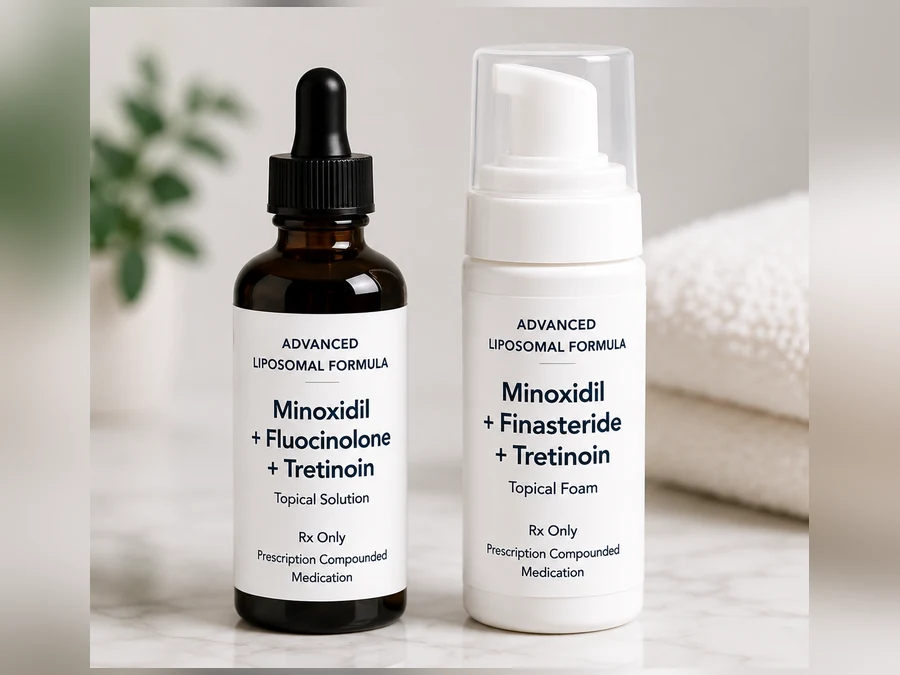
Advanced Liposomal Formulas
Next-generation delivery systems designed for enhanced absorption and results.
- Minoxidil + Fluocinolone + Tretinoin
- Minoxidil + Finasteride + Fluocinolone + Tretinoin
Key Takeaways
- Female hair thinning is common and often develops gradually.
- Hair loss in women may have genetic, hormonal, nutritional, medical, or lifestyle-related causes.
- Hair naturally sheds every day as part of the normal growth cycle.
- Early evaluation may help identify contributing factors and appropriate treatment options.
- Personalized care allows healthcare providers to recommend treatment based on your individual health history and needs.