
Weight Management
Oral vs. Injectable GLP-1 Medications: Which Option May Be Right for You?
When people begin learning about prescription GLP-1 medications, one of the first questions they often ask is whether they should choose an oral medication or an injectable one.
For many, the answer seems obvious. Some people immediately prefer the idea of taking a pill, while others like the convenience of a medication that may only need to be taken once each week. In reality, the decision involves much more than personal preference.
Healthcare providers look at the complete picture—including your health history, treatment goals, current medications, lifestyle, and other clinical considerations—to determine which option, if any, may be appropriate for you.
Understanding the differences between oral and injectable GLP-1 medications can help you better understand how treatment decisions are made and why there is rarely one “best” option for everyone.
Why Are GLP-1 Medications Available in Different Forms?
Every patient has different healthcare needs.
Some medications are developed as injections because that delivery method allows the medication to be absorbed and work as intended. Others have been developed in oral form, giving appropriate patients another treatment option.
Having multiple forms of treatment allows healthcare providers to personalize care rather than relying on a one-size-fits-all approach.
Injectable GLP-1 Medications
For many people, the idea of giving themselves an injection sounds intimidating.
Fortunately, injectable GLP-1 medications are very different from what many people imagine. The needles used for these medications are extremely small, and many patients report that the injections become part of their routine much more quickly than they expected.
Depending on the medication prescribed, injections are often administered once each week. Your healthcare provider will explain how to prepare, administer, and store your medication safely.
Many patients appreciate that a weekly schedule means they don’t have to remember a daily dose.
Oral GLP-1 Medications
Oral GLP-1 medications provide another option for some patients.
For individuals who already take daily medications, adding another tablet to an established routine may feel more familiar than learning how to administer an injection.
However, oral medications often include specific instructions regarding when they should be taken, whether they should be taken with food, and how long patients should wait before eating or drinking. Following these instructions carefully helps ensure the medication is absorbed as intended.
As with injectable medications, regular follow-up with your healthcare provider remains an important part of treatment.
Is One More Convenient?
Convenience means different things to different people.
Some patients prefer taking a medication once each week because it becomes part of a simple routine. Others prefer taking a daily medication because it feels familiar and doesn’t involve injections.
Rather than assuming one approach is automatically more convenient, healthcare providers consider how a treatment is likely to fit into a person’s daily life.
A treatment plan is most successful when it is both medically appropriate and realistic for the patient to maintain over time.
What Factors May Influence Treatment Recommendations?
Choosing between an oral or injectable medication involves much more than deciding between a pill and a needle.
Healthcare providers may consider many factors before recommending treatment, including:
- Overall health and medical history
- Current medications
- Previous experience with weight management treatments
- Existing medical conditions
- Lifestyle and daily routine
- Ability to follow dosing instructions
- Individual treatment goals
- Potential risks and benefits
These factors help ensure that treatment recommendations are personalized rather than based on convenience alone.
Are the Side Effects Different?
Because oral and injectable GLP-1 medications work through similar biological pathways, many of their commonly reported side effects are similar.
These may include:
- Nausea
- Vomiting
- Constipation
- Diarrhea
- Stomach discomfort
- Reduced appetite
Every person’s experience is different. Some individuals experience few or no side effects, while others notice symptoms that improve as their body adjusts to treatment.
Healthcare providers monitor progress throughout treatment and may recommend adjustments when appropriate.
Is One Option Better Than the Other?
One of the biggest misconceptions is that one form of medication must automatically be better than the other.
In reality, each option has advantages and considerations depending on the individual.
The goal is not to identify a universally superior medication but to recommend the option that best aligns with a person’s medical history, treatment goals, and lifestyle.
For some people, that may be an injectable medication. For others, an oral medication may be more appropriate. The recommendation should always be individualized.
Personalized Treatment Leads to Better Care
Successful weight management is about much more than choosing between a pill and an injection.
It involves understanding your health, developing sustainable habits, monitoring your progress, and adjusting your treatment plan as your needs change.
When treatment decisions are personalized, patients are more likely to feel informed, supported, and engaged throughout their care.
Weight Management Treatment Options
If you’re exploring GLP-1 medications, WellPeps offers several provider-guided treatment options designed around your individual health needs and goals.
Your provider will recommend the treatment that’s right for you after reviewing your health history.
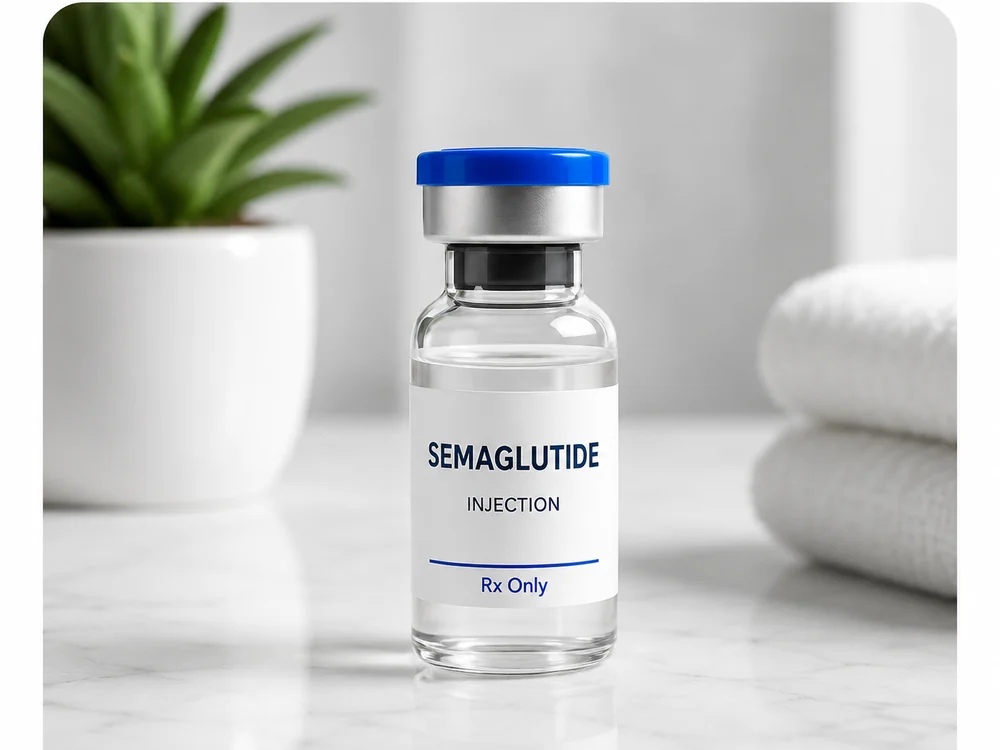
Semaglutide Injection
- All-Inclusive Pricing
- Weekly injection
- Helps regulate appetite
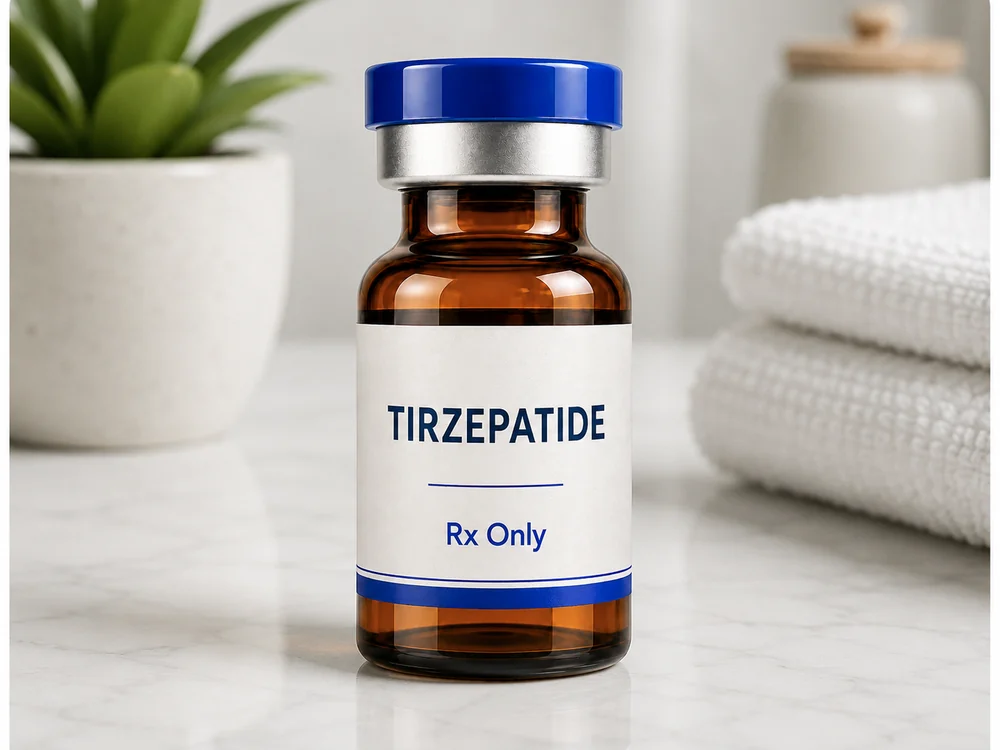
Tirzepatide Injection
- All-Inclusive Pricing
- Dual GIP/GLP-1 medication
- Weekly injection
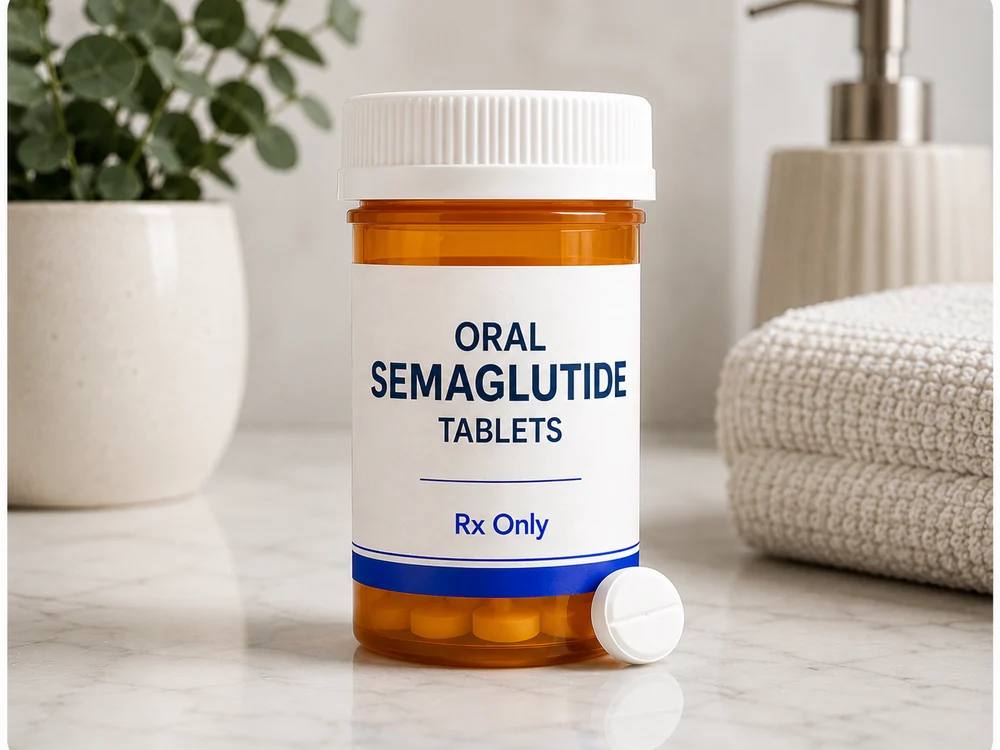
Oral Semaglutide Tablets
- All-Inclusive Pricing
- Needle-free option
- Daily tablet
* Starting price reflects a 52-week plan. Actual pricing depends on your provider’s recommended plan.
Key Takeaways
- GLP-1 medications are available in both oral and injectable forms.
- Neither option is automatically the best choice for every patient.
- Healthcare providers may consider many factors before recommending treatment.
- Oral medications and injectable medications each have unique dosing instructions and considerations.
- Personalized care helps ensure treatment recommendations align with your individual health needs and goals.