
Weight Management
What Happens If You Stop Taking GLP-1 Medication?
One of the most common questions people ask before beginning treatment is, “What happens if I stop taking a GLP-1 medication?”
It’s an understandable question. Whenever someone begins a new medication, it’s natural to wonder how long treatment may last and what to expect if it eventually ends.
The answer depends on many factors, including your overall health, lifestyle habits, treatment goals, and the reason treatment was prescribed. Because weight management is highly individualized, there is no single answer that applies to everyone.
Understanding how these medications fit into long-term weight management can help set realistic expectations from the beginning.
Weight Management Is an Ongoing Process
Many people think of weight management as something with a clear finish line.
In reality, maintaining a healthy weight often requires ongoing attention, much like maintaining healthy blood pressure or cholesterol levels.
Healthy eating, regular physical activity, quality sleep, stress management, and routine medical care all continue to play important roles long after initial weight loss occurs.
GLP-1 medications may become one component of that broader long-term strategy.
Why Weight Regain Can Occur
The body naturally works to maintain balance.
After weight loss, biological changes may occur that increase hunger and encourage the body to conserve energy. These responses are normal and are not unique to people using GLP-1 medications.
This helps explain why maintaining weight loss can be challenging, regardless of how the weight was initially lost.
Experiencing weight regain should never be viewed as a personal failure. Instead, it reflects the complex biology involved in long-term weight regulation.
Healthy Habits Become Even More Important
Whether treatment continues or eventually ends, healthy lifestyle habits remain the foundation of long-term wellness.
These habits may include:
- Eating balanced, nutritious meals
- Remaining physically active
- Prioritizing quality sleep
- Managing stress
- Staying hydrated
- Attending regular medical follow-up appointments
The goal is to build routines that can be maintained throughout life rather than relying on short-term changes.
There Is No Standard Timeline
Some people assume everyone takes GLP-1 medications for the same amount of time.
That’s not the case.
Treatment plans are individualized and may change over time as your health, goals, and circumstances evolve.
Healthcare providers may consider many factors when discussing the duration of treatment, including your response to therapy, overall health, medical history, and long-term weight management goals.
Never Stop Medication Without Medical Guidance
If you’re considering stopping a prescription medication, it’s important to discuss that decision with your healthcare provider.
Your provider can explain what to expect, review your current health, and determine whether any changes to your treatment plan may be appropriate.
Making changes without medical guidance may increase the likelihood of unwanted outcomes or make it more difficult to maintain your progress.
Long-Term Success Is About More Than Medication
Although GLP-1 medications may support weight management for appropriate candidates, lasting success is rarely based on medication alone.
Long-term health is built through consistent habits, realistic expectations, regular medical care, and a willingness to adapt your plan as your needs change.
Medication may play an important role for some individuals, but it is most effective when combined with a comprehensive approach to wellness.
Looking Beyond the Scale
If treatment changes in the future, remember that success is not measured only by body weight.
Improvements in physical activity, nutrition, sleep, energy levels, mobility, confidence, and overall health are all meaningful signs of progress.
Focusing on these broader measures of wellness helps support a healthier relationship with weight management over time.
Weight Management Treatment Options
If you’re exploring GLP-1 medications, WellPeps offers several provider-guided treatment options designed around your individual health needs and goals.
Your provider will recommend the treatment that’s right for you after reviewing your health history.
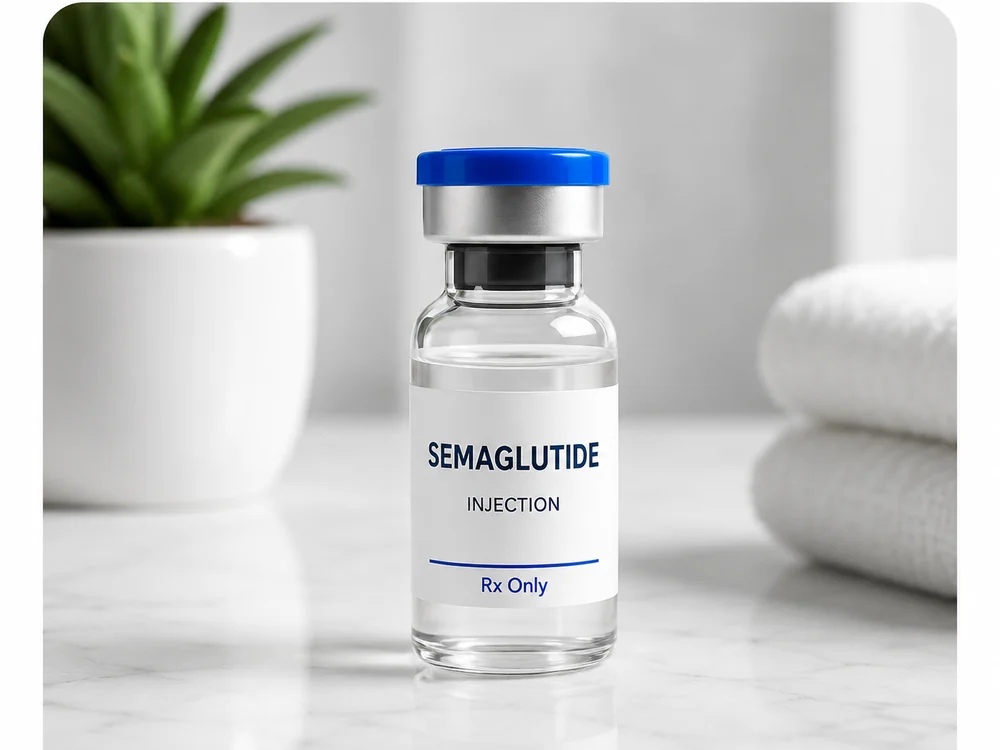
Semaglutide Injection
- All-Inclusive Pricing
- Weekly injection
- Helps regulate appetite
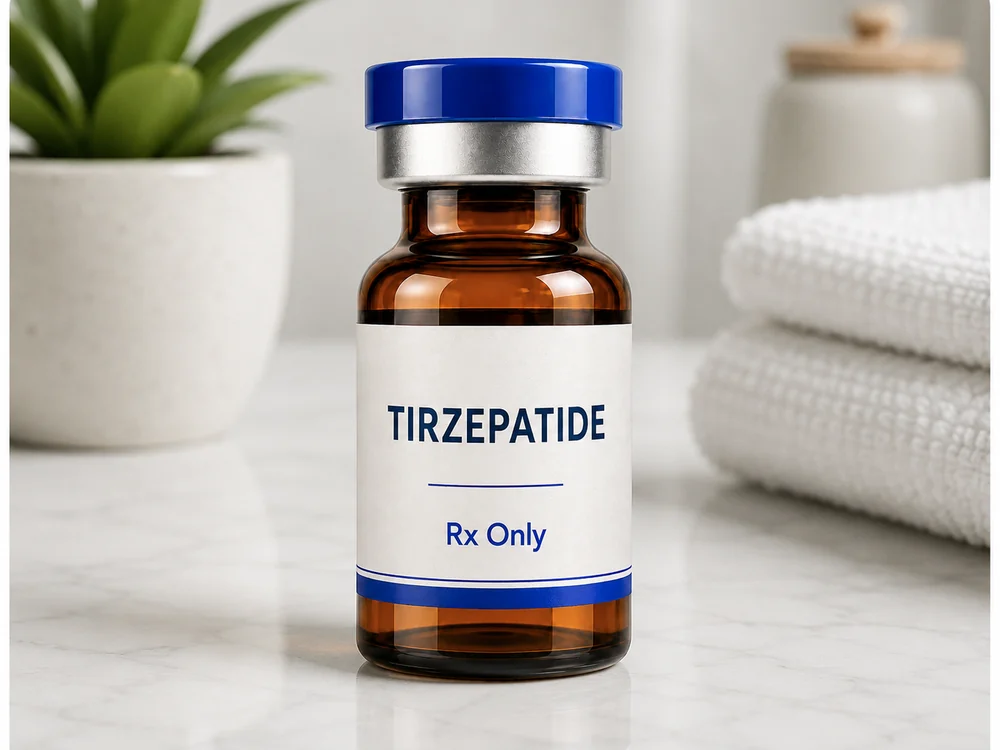
Tirzepatide Injection
- All-Inclusive Pricing
- Dual GIP/GLP-1 medication
- Weekly injection
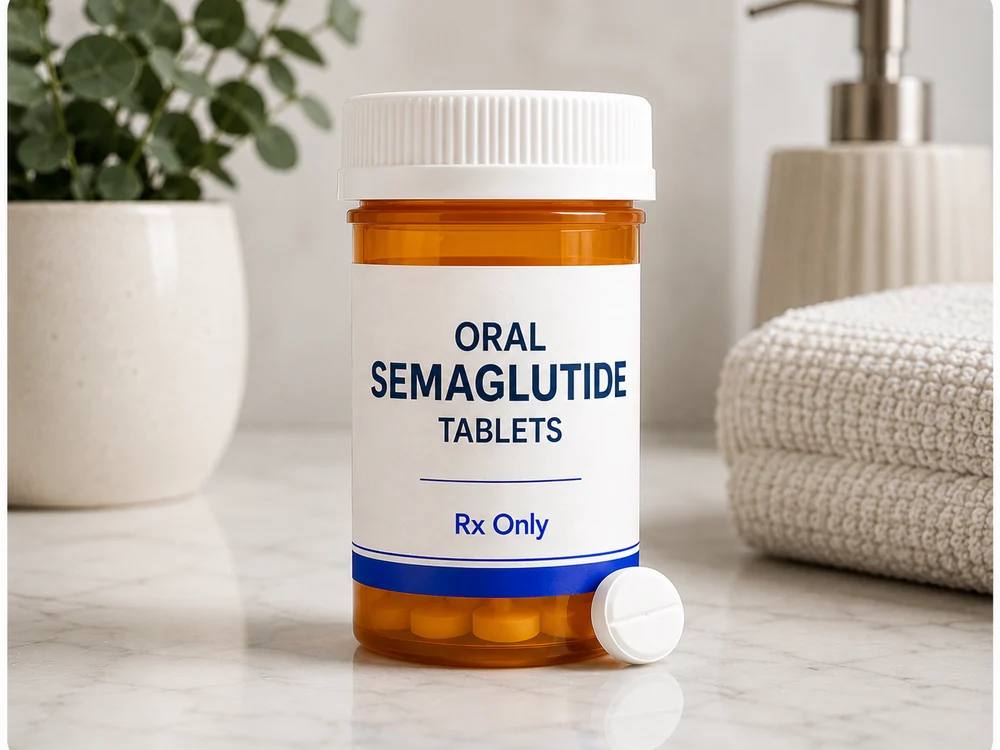
Oral Semaglutide Tablets
- All-Inclusive Pricing
- Needle-free option
- Daily tablet
* Starting price reflects a 52-week plan. Actual pricing depends on your provider’s recommended plan.
Key Takeaways
- There is no single answer to what happens after stopping GLP-1 medication.
- Weight management is an ongoing process that extends beyond medication.
- Healthy lifestyle habits remain essential regardless of your treatment plan.
- Healthcare providers may individualize recommendations based on your health history, treatment goals, and progress.
- Decisions about starting, changing, or stopping medication should always be made in partnership with a licensed healthcare provider.