
Weight Management
Understanding GLP-1 Medications: How They Work for Weight Management
If you’ve been researching weight management treatments, you’ve probably heard about GLP-1 medications. These prescription medications have become one of the most talked-about advances in obesity treatment in recent years, but many people still wonder exactly what they are, how they work, and whether they may be appropriate for their situation.
The truth is that weight management is rarely as simple as “eat less and exercise more.” Body weight is influenced by a complex interaction of hormones, genetics, metabolism, sleep, stress, medical conditions, medications, and lifestyle habits. For some individuals, these factors can make achieving and maintaining a healthy weight much more difficult than most people realize.
GLP-1 medications are designed to work with your body’s natural biology by helping regulate appetite and feelings of fullness. When prescribed as part of a personalized treatment plan that includes healthy lifestyle habits and ongoing medical supervision, they may help support long-term weight management in appropriate candidates.
This guide explains how GLP-1 medications work, what they do, who may be a candidate, and what to expect if you’re considering treatment.
What Is GLP-1?
GLP-1 stands for Glucagon-Like Peptide-1, a hormone your body naturally releases after you eat.
This hormone plays several important roles, including helping regulate:
- Appetite
- Feelings of fullness (satiety)
- Blood sugar levels
- Digestion
- The speed at which food leaves the stomach
Think of GLP-1 as one of your body’s natural communication systems. After a meal, it helps send signals between your digestive system, pancreas, and brain to let your body know you’ve eaten.
Prescription GLP-1 medications are designed to mimic many of these natural effects.
How Do GLP-1 Medications Work?
Rather than simply suppressing appetite, GLP-1 medications work through several biological pathways.
Helping Regulate Appetite
One of the most noticeable effects for many patients is a reduction in persistent hunger.
Many people describe constantly thinking about food throughout the day. GLP-1 medications may help reduce those frequent hunger signals, making it easier for some individuals to follow a healthy eating plan.
These medications don’t eliminate hunger entirely. Instead, they may help regulate appetite in a way that more closely reflects the body’s natural fullness signals.
Increasing Feelings of Fullness
GLP-1 medications may also increase satiety—the feeling that you’ve had enough to eat.
Instead of feeling hungry again shortly after a meal, many people report feeling satisfied for longer periods, which may naturally support smaller portion sizes without feeling deprived.
Slowing Stomach Emptying
Another important effect is that food leaves the stomach more gradually.
Because digestion occurs more slowly, many individuals remain full longer after meals. This is one reason healthcare providers often recommend eating slowly and paying attention to your body’s natural fullness cues during treatment.
Supporting Blood Sugar Regulation
GLP-1 medications were originally developed to help improve blood sugar regulation.
They help stimulate insulin release when blood sugar rises after eating while reducing excess glucagon production. Although some GLP-1 medications are prescribed for diabetes management and others for chronic weight management, this effect remains an important part of how these medications work.
Why Is Weight Management So Complex?
Many people blame themselves when they struggle to lose weight.
Research has shown that body weight is influenced by far more than willpower alone.
Factors that may contribute include:
- Genetics
- Hormonal changes
- Age
- Sleep quality
- Stress
- Certain medications
- Medical conditions
- Environmental influences
- Physical activity
- Nutrition
Because every person’s circumstances are different, successful weight management often requires an individualized approach rather than a one-size-fits-all solution.
Common GLP-1 Medications
Several prescription medications belong to the GLP-1 category or work through related hormone pathways.
Examples include medications containing:
- Semaglutide
- Tirzepatide
- Other GLP-1 receptor agonists or dual-action therapies approved for appropriate clinical use
Each medication has its own prescribing information, dosing schedule, and clinical considerations.
Your healthcare provider will determine whether a particular medication—or any medication at all—may be appropriate for your individual circumstances.
Who May Be a Candidate?
GLP-1 medications are not appropriate for everyone.
Healthcare providers may consider many factors before recommending treatment, including:
- Current health, weight, and Body Mass Index (BMI), when appropriate
- Medical history
- Current medications
- Previous weight management efforts
- Existing medical conditions
- Family history
- Individual health goals
- Potential risks and benefits
This comprehensive evaluation helps ensure that treatment recommendations are personalized, medically appropriate, and designed around each person’s unique healthcare needs.
Are GLP-1 Medications a Quick Fix?
No.
GLP-1 medications are intended to support—not replace—healthy lifestyle habits.
A comprehensive weight management plan may also include:
- Balanced nutrition
- Regular physical activity
- Adequate sleep
- Stress management
- Ongoing provider follow-up
- Sustainable lifestyle changes
Developing long-term healthy habits remains an important part of achieving and maintaining overall health and wellness.
Possible Side Effects
Like all prescription medications, GLP-1 medications may cause side effects.
Commonly reported side effects include:
- Nausea
- Constipation
- Diarrhea
- Vomiting
- Stomach discomfort
- Reduced appetite
Not everyone experiences side effects, and many people find that symptoms improve as their body adjusts to treatment.
Your healthcare provider will explain potential risks, discuss what to watch for, and monitor your progress throughout your care.
Weight Management Treatment Options
If you’re exploring GLP-1 medications, WellPeps offers several provider-guided treatment options designed around your individual health needs and goals.
Your provider will recommend the treatment that’s right for you after reviewing your health history.
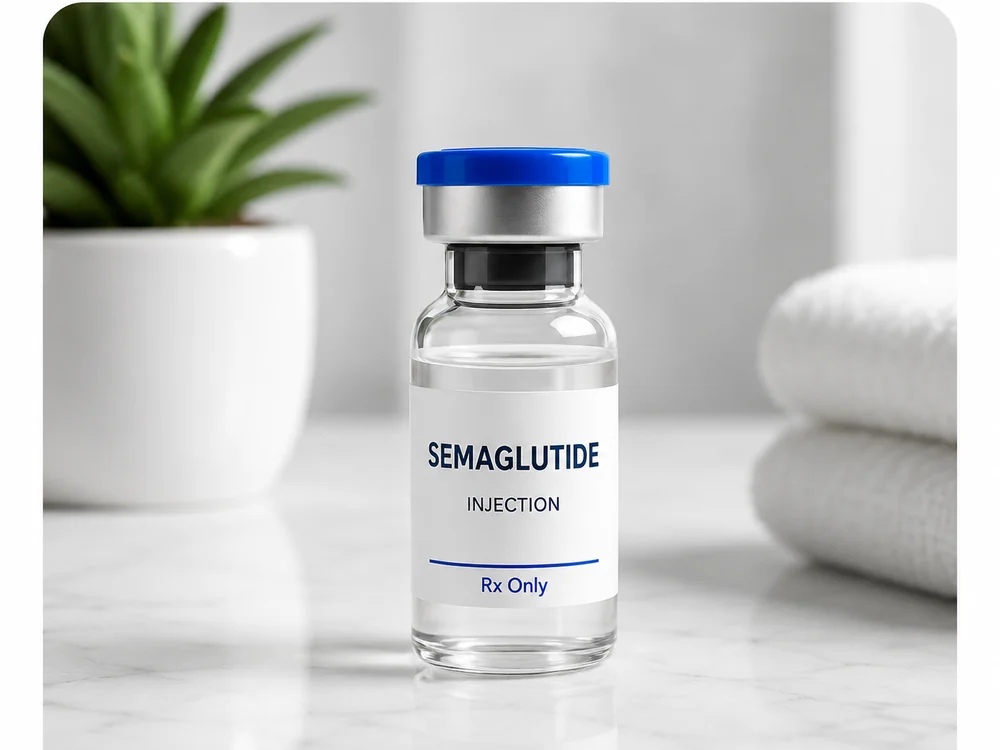
Semaglutide Injection
- All-Inclusive Pricing
- Weekly injection
- Helps regulate appetite
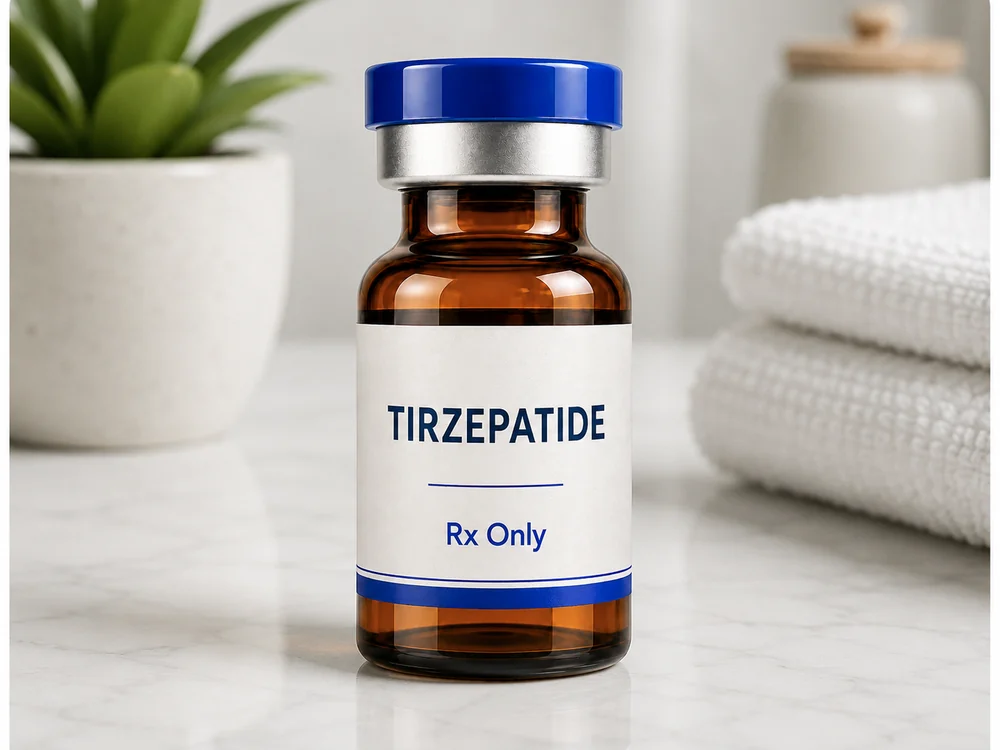
Tirzepatide Injection
- All-Inclusive Pricing
- Dual GIP/GLP-1 medication
- Weekly injection
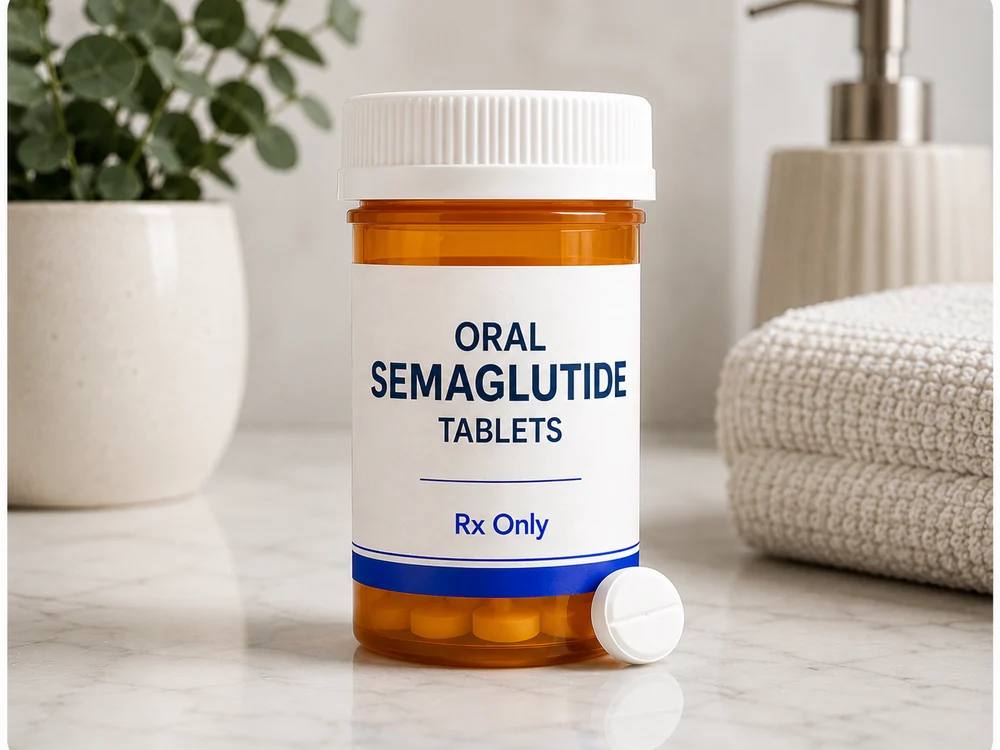
Oral Semaglutide Tablets
- All-Inclusive Pricing
- Needle-free option
- Daily tablet
* Starting price reflects a 52-week plan. Actual pricing depends on your provider’s recommended plan.
Key Takeaways
- GLP-1 is a naturally occurring hormone involved in appetite regulation and blood sugar control.
- Prescription GLP-1 medications are designed to mimic many of these natural effects.
- These medications may support weight management in appropriate candidates under medical supervision.
- Healthy nutrition, regular physical activity, quality sleep, and ongoing provider guidance remain important parts of long-term wellness.
- Treatment recommendations should always be individualized based on your medical history, health status, and personal goals.